

Being in your 20s does not always mean being free from long-term health risks. New research suggests that problems involving the heart, kidneys, metabolism, and body weight may already be developing in many young adults, even when they have no obvious symptoms.
A study published in Circulation: Population Health and Outcomes on August 20 found that about 79% of adults in their 20s showed signs linked to cardiovascular-kidney-metabolic (CKM) syndrome.
The findings raise concerns about how early these risk factors can appear and why routine health checks may matter well before middle age.
What Is CKM Syndrome?
CKM syndrome describes the close connection between several health problems, including obesity, diabetes, chronic kidney disease, and cardiovascular disease. These conditions often influence one another rather than developing as completely separate issues.
Researchers believe that identifying early warning signs could give younger adults more time to address factors such as excess body fat, high blood pressure, abnormal cholesterol, and elevated blood sugar.
The study involved 1,283 people with an average age of about 23 who were part of the long-term Future of Families and Child Well-Being Study. Researchers assigned each participant a CKM stage and measured cardiovascular health using the American Heart Association's Life's Essential 8 score. Ultrasound testing also looked for early changes in the arteries.
CKM Risk Appeared Early
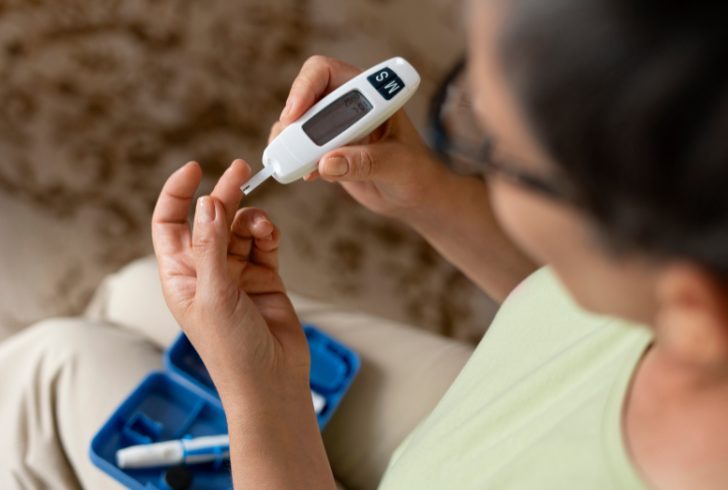
Freepik | CKM syndrome connects obesity, diabetes, kidney disease, and heart disease into a single interrelated health issue.
The researchers divided participants into five CKM stages:
Stage 0 - No CKM risk factors
Stage 1 - Excess or unhealthy body fat
Stage 2 - Metabolic or kidney-related risk factors
Stage 3 - Subclinical cardiovascular disease or advanced kidney disease
Stage 4 - Clinical cardiovascular disease
Only 20.7% of participants were classified as Stage 0. None reached Stage 4. Among the remaining participants, 40.2% were at Stage 1, 36.2% at Stage 2, and 2.8% at Stage 3.
Those numbers suggest that measurable cardiovascular, metabolic, or kidney-related concerns can exist during early adulthood, even before a person develops diagnosed heart disease.
Heart Health Scores Also Differed
The study also assessed participants with Life's Essential 8 (LE8), a cardiovascular health measure scored from 0 to 100. Higher scores generally indicate better heart and blood health.
The average score across the study group was 69.2. Scores changed noticeably between CKM stages:
Stage 0 - 77.6
Stage 1 - 70
Stage 2 - 63.8
Stage 3 - 64.4
Ultrasound results added another concern. Participants with higher CKM stages had greater arterial thickness. Thicker artery walls can indicate a higher risk of cardiovascular disease.
Kevin Shah, MD, a board-certified cardiologist and Program Director of Heart Failure Outreach at MemorialCare Heart & Vascular Institute at Long Beach Medical Center in Long Beach, CA, was not involved in the research. He described the findings as concerning because they indicate that cardiometabolic and kidney-related problems may start much earlier than traditionally recognized.
Shah said the results reinforce the need to identify risk factors before they progress to conditions such as diabetes, heart disease, or kidney disease.
Why Adults Should Pay Attention
Cardiovascular changes can begin years before symptoms appear. That makes early risk assessment particularly relevant for people in their 20s.
Jonathan Jennings, MD, a board-certified internist with Medical Offices of Manhattan, also was not involved in the study. He told Healthline that the research points to rapid development of carotid artery disease in people in their 20s, which he described as alarming because the condition has traditionally been associated more often with later life.
According to Jennings, these risks could contribute to earlier heart attacks, strokes, and serious kidney disease.
Shah noted that CKM health reflects the relationship between the heart, kidneys, and metabolism. A person may not have a diagnosed illness, yet signs such as visceral fat, high blood pressure, unhealthy cholesterol levels, or elevated blood sugar can indicate greater long-term risk.
Traditional cardiovascular risk calculators also have limitations in this age group because they are not validated for people younger than 30.
Life's Essential 8 May Help

Freepik | Improve long-term heart condition by prioritizing daily physical activity and a balanced diet.
The American Heart Association developed Life's Essential 8 to help people improve and maintain cardiovascular health. The measure focuses on eight areas:
1. Eating a healthier diet
2. Staying physically active
3. Avoiding tobacco
4. Getting enough sleep
5. Maintaining a healthy weight
6. Managing cholesterol
7. Keeping blood sugar in a healthy range
8. Controlling blood pressure
The study found that people with higher LE8 scores generally had healthier cardiovascular profiles and earlier CKM stages.
Regular health checks can also help detect high blood pressure, abnormal cholesterol, and elevated blood sugar before they become more serious problems.
Shah said the CKM framework is useful because obesity, diabetes, kidney disease, and heart disease often overlap. He emphasized that earlier detection can create opportunities for lifestyle changes and, when appropriate, medical treatment.
Why Early Prevention Matters
The study does not mean that most young adults have heart or kidney disease. Instead, it shows that risk factors can appear surprisingly early. Recognizing those signals gives healthcare professionals and patients more time to address them.
Healthy habits, routine screenings, and attention to blood pressure, cholesterol, blood sugar, weight, activity, sleep, and tobacco use can all play a role in long-term cardiovascular health.
The finding that about 79% of young adults showed some level of CKM risk highlights a health issue that can begin long before traditional cardiovascular disease becomes visible. While none of the study participants had Stage 4 CKM, many already had metabolic, body-fat, kidney, or early cardiovascular risk factors.
Identifying these concerns in the 20s may offer an important window to reduce the chance of more serious heart, kidney, and metabolic problems later in life.