




A growing number of people rely on dietary supplements to support energy, immunity, memory, and long-term health. Shelves are packed with vitamins, minerals, powders, and capsules that promise better aging and improved wellness. The appeal is easy to understand. Taking a daily supplement feels like a simple step toward staying healthy. Still, healthy aging is rarely that simple. Supplements can help in specific situations, but they are not a replacement for balanced meals, movement, sleep,...
This week
all in the experts
The countdown to the 2026 FIFA World Cup has sparked excitement across the globe. Packed stadiums, nonstop travel, and millions of fans moving between cities will turn North America into the center of international sports for weeks. Yet while teams prepare for competition on the field, public health officials are preparing for an entirely different challenge behind the scenes. This year’s World Cup will be the biggest in tournament history. Matches will take place across...
Public appearances by President Donald Trump have once again fueled debate about his health and cognitive condition. The discussion gained fresh attention after the G7 summit in Évian-les-Bains, France, where video clips showed Trump briefly moving away from a group of world leaders before being guided back. While the White House continues to insist that the president remains in excellent health, critics and medical commentators argue that recent incidents raise legitimate questions about his physical...
Hair loss affects millions of people, often influencing confidence, self-image, and daily life. In the United States alone, around 50 million men and 30 million women experience androgenic alopecia, commonly known as pattern baldness. Research has also linked this condition to reduced quality of life and increased emotional stress. While treatments such as hair transplants, topical products, and prescription medications remain common, scientists are continuing to search for safer and more effective options. A recent...
Lunch timing can affect more than the gap between breakfast and dinner. The body processes food within a daily rhythm shaped by sleep, hormones, activity, and meal patterns. While metabolism depends on many factors—including age, diet, gender, race, and physical activity—when food is eaten may also influence hunger, blood sugar, and energy levels. For most people, a consistent midday lunch can be a simple way to support better metabolic health. When Should You Eat Lunch?...
Imagine a volcano bubbling with acidic lava deep in the chambers of your stomach. Now, consider the immense discomfort that would occur if that volcano erupted at the wrong time. Yes, that is acid reflux for you, with heartburn being the fiery eruption and GERD being the long-term aftermath of many such eruptions. Let's break it down together: Knowing the Basics Before we go any further, let's take a minute to appreciate our digestive system....
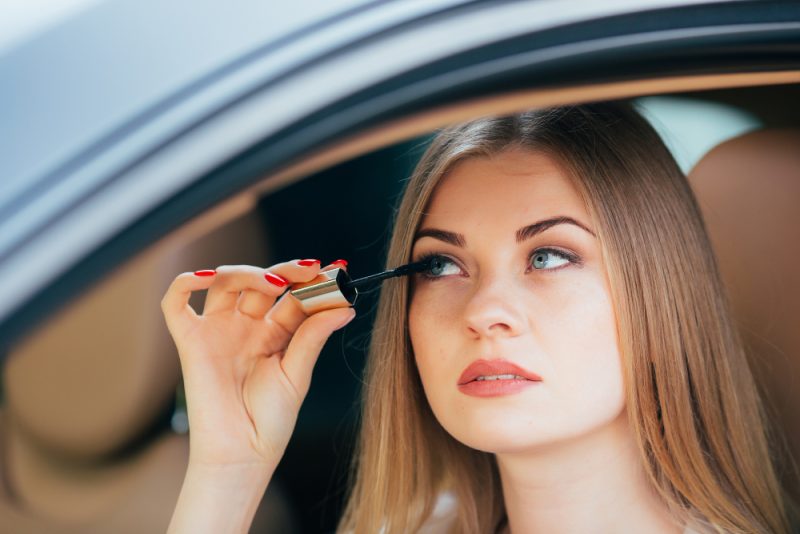
Lash serums promise longer, fuller lashes in a few weeks. They are all over your feed and probably sitting in your cart. But before you start applying them near your eyes, you should know that some ingredients in lash serums can do more harm than good. To begin with, they contain prostaglandin analogs, or PGAs, the same stuff used in glaucoma meds. These compounds can cause burning, stinging, and dryness. If the serum gets into...
We have often heard in life that if it sounds too good to be true, it probably is. The same principle is relevant to diet and nutrition too. There are myriads of articles and studies pertaining to sugar detox initiatives available on the internet, and many health and nutrition websites claim that if you cut off sugar completely from your diet, you can reach all your fitness and health goals. We also have influencers making...
Improving brain health has become urgent as more people live longer and face memory loss. Dementia cases continue to rise across the world, and families feel the strain. Scientists have searched for drugs that can slow the disease, but results have been limited so far. At the same time, research keeps pointing to something far simpler and far more accessible: movement. A growing stack of studies shows that exercise and mind-body movement, like Tai Chi,...
A growing number of people rely on dietary supplements to support energy, immunity, memory, and long-term health. Shelves are packed with vitamins, minerals, powders, and capsules that promise better aging and improved wellness. The appeal is easy to understand. Taking a daily supplement feels like a simple step toward staying healthy. Still, healthy aging is rarely that simple. Supplements can help in specific situations, but they are not a replacement for balanced meals, movement, sleep,...
The countdown to the 2026 FIFA World Cup has sparked excitement across the globe. Packed stadiums, nonstop travel, and millions of fans moving between cities will turn North America into the center of international sports for weeks. Yet while teams prepare for competition on the field, public health officials are preparing for an entirely different challenge behind the scenes. This year’s World Cup will be the biggest in tournament history. Matches will take place across...
Public appearances by President Donald Trump have once again fueled debate about his health and cognitive condition. The discussion gained fresh attention after the G7 summit in Évian-les-Bains, France, where video clips showed Trump briefly moving away from a group of world leaders before being guided back. While the White House continues to insist that the president remains in excellent health, critics and medical commentators argue that recent incidents raise legitimate questions about his physical...
Hair loss affects millions of people, often influencing confidence, self-image, and daily life. In the United States alone, around 50 million men and 30 million women experience androgenic alopecia, commonly known as pattern baldness. Research has also linked this condition to reduced quality of life and increased emotional stress. While treatments such as hair transplants, topical products, and prescription medications remain common, scientists are continuing to search for safer and more effective options. A recent...
Lunch timing can affect more than the gap between breakfast and dinner. The body processes food within a daily rhythm shaped by sleep, hormones, activity, and meal patterns. While metabolism depends on many factors—including age, diet, gender, race, and physical activity—when food is eaten may also influence hunger, blood sugar, and energy levels. For most people, a consistent midday lunch can be a simple way to support better metabolic health. When Should You Eat Lunch?...