
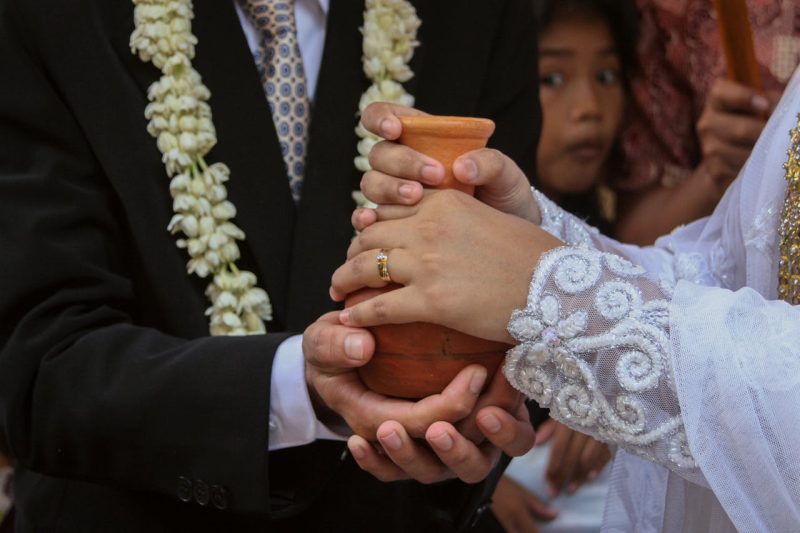
Oman has made a bold move that puts health front and center before marriage. Starting January 1, 2026, every couple planning to marry must complete a premarital medical exam.
This rule applies even if one partner is not Omani. If one person holds Omani citizenship, the law kicks in. The decision comes straight from Sultan Haitham bin Tarik through Royal Decree No. 111/2026. It replaces an older system that many couples quietly skipped.
For years, Oman offered premarital screening as an option. Many people knew about it. Few followed through. Only about 42% of couples took part. That low turnout pushed the government to step in.
Now the exam is mandatory for marriages inside or outside the country. Couples cannot finalize a marriage contract without proof of medical fitness. The rule is firm but not rushed. It aims to protect families before problems start.
The Ministry of Health made it clear that the exams focus on infectious diseases like hepatitis B, hepatitis C, and HIV. They also look for inherited blood disorders that quietly pass through families. Early knowledge gives couples power, not fear.
What Happens During the Premarital Exam?
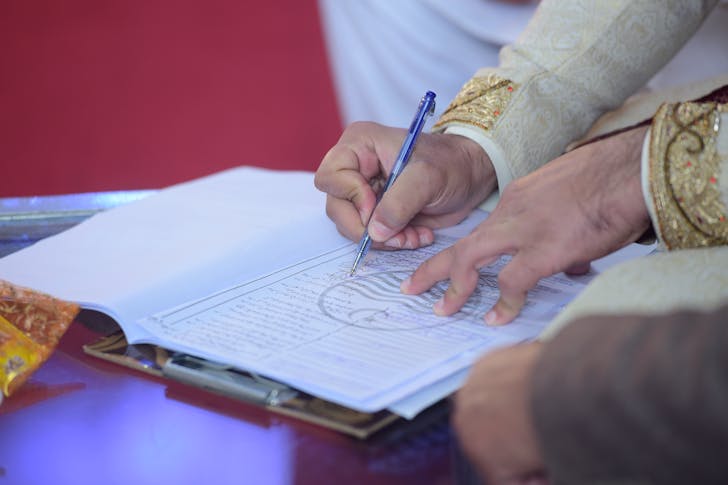
Hassan / Pexels / The process itself is direct and structured. Both partners visit an approved public or private clinic. A doctor reviews their medical history with close attention to chronic and inherited conditions.
Blood tests follow. Screenings check for infectious diseases and genetic blood disorders. The tests are clinical, confidential, and handled by licensed professionals. Nothing is shared outside the health system without consent.
Once the results are ready, the doctor explains them clearly. Couples receive counseling that covers health risks and future options. Genetic counseling may come into play. Psychological support is also available if needed.
If the couple chooses to move forward, the clinic issues a premarital medical certificate. A digital copy goes straight to the notary's office. The certificate stays valid for three months. That window gives couples enough time to decide.
Why Oman Decided to Act Now?
This policy did not appear overnight. Oman faces a specific challenge rooted in family traditions. About 58% of marriages involve blood relatives. Most of those are between first cousins. These unions raise the risk of inherited diseases.
Conditions like sickle cell disease and beta thalassemia are common. They affect quality of life and require long-term medical care. Families carry the emotional weight. The healthcare system carries the cost.
The optional screening program launched back in 1999. Awareness was high. Participation stayed low. Many couples feared social stigma or canceled engagements if results raised concerns. Making the test mandatory removes that pressure. Everyone follows the same rule.
How Oman Compares to Other Muslim Countries?
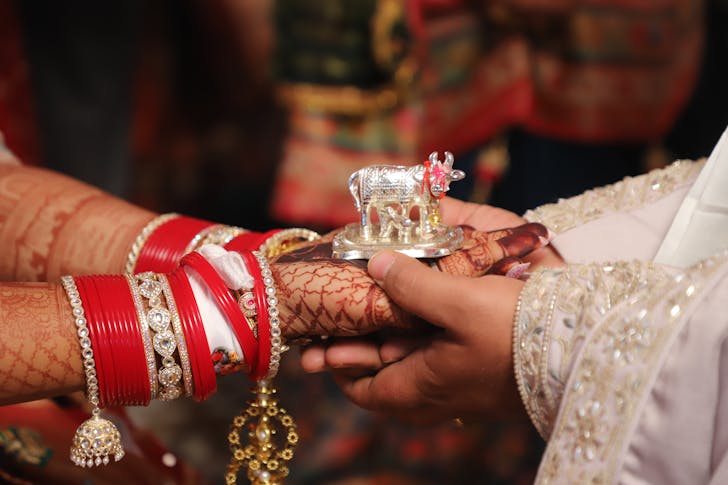
Dave / Pexels / Oman is not alone in this approach, though. Several Muslim majority nations already link premarital screening to legal marriage registration.
The United Arab Emirates requires screening for Muslims marrying through Sharia courts. Saudi Arabia and Bahrain follow similar systems.
In these countries, tests cover infectious diseases and inherited blood disorders. In some cases, marriage approval may be delayed or denied if serious risks appear. The goal stays consistent. Protect future children and reduce public health strain.
A religious Nikah ceremony may still happen privately in some places. Legal recognition by the state is a different story. Without screening, the marriage may not exist on paper.
Oman’s policy stands out because it applies broadly. It covers mixed nationality couples and marriages abroad. That reach marks a clear change from its past approach.