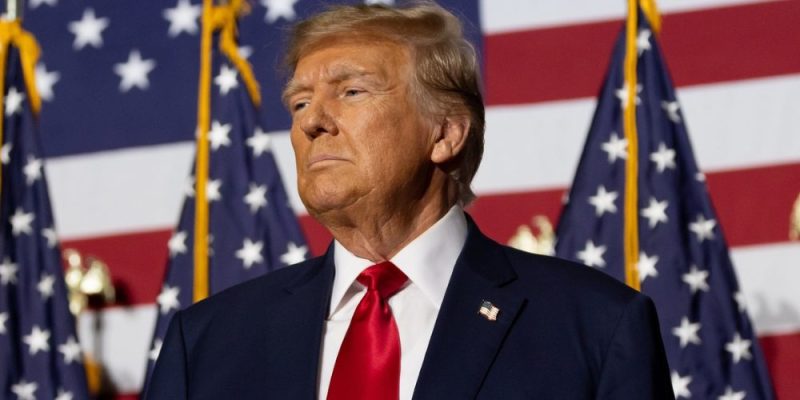
Donald Trump is scheduled to undergo his fourth medical examination of his second presidential term on Tuesday, May 26, at Walter Reed National Military Medical Center. The visit comes just weeks before his 80th birthday on June 14, a milestone that places him as the oldest person ever elected to the U.S. presidency.
The White House confirmed that the appointment will include both medical and dental evaluations as part of a routine preventive health schedule. Attention around the visit has grown due to ongoing public discussion about the President’s physical condition and age.
The upcoming visit to Walter Reed National Military Medical Center forms part of regular health monitoring during the second term. Officials have stated that the examination will focus on standard preventive assessments, covering general medical and dental health.
At 80, Trump continues to draw national focus on presidential health standards, especially given his record as the oldest elected U.S. leader.
Fitness Remarks and Public Attention
Trump has addressed questions about his fitness in a light tone. During a recent public appearance, he said, “I work out like about one minute a day, max,” a comment that quickly circulated and added to broader conversations about his lifestyle.
While delivered as humor, the remark has kept public curiosity active regarding his daily routine and physical upkeep.
Recent appearances have sparked discussion after observers noted bruising on his hands, swelling in his lower legs, and a visible rash around his neck. Trump has responded directly to the bruising, linking it to medication use.
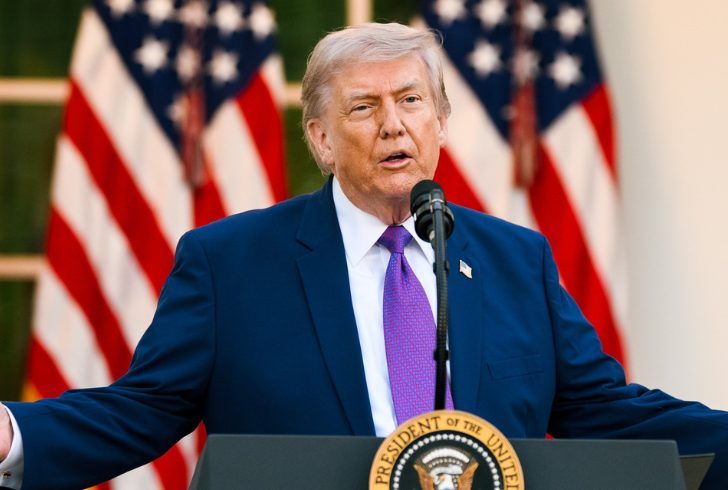
Instagram | whitehouse | Trump addressed public concern over his visible bruising and swelling by linking them to his medication.
“I take more aspirin than my doctor recommends,” he said, noting that aspirin can contribute to easier bruising due to its blood-thinning effects.
White House Press Secretary Karoline Leavitt also addressed concerns, stating the irritation likely results from “frequent handshaking” combined with aspirin use.
Trump’s physician, Sean Barbabella, previously explained that swelling in the lower legs stems from chronic venous insufficiency. He described the condition as “benign and common, especially in individuals over 70.”
Mental Fitness and Prior Tests
Questions about cognitive health have also circulated in public debate. Trump has repeatedly highlighted his own test results, saying, “I aced the cognitive exams,” during speeches and interviews.
Speculation increased after instances where he appeared to close his eyes for extended periods during events, including a Cabinet meeting on December 2, prompting further scrutiny of his alertness.
In October, Trump underwent a CT scan of his heart and abdomen as part of a preventive evaluation. His physician stated that the imaging results were normal, saying, “The results were perfectly normal.”
Trump later commented that he regretted undergoing the scan, noting that it contributed to additional public speculation rather than settling concerns.
As the latest examination approaches at Walter Reed, attention remains fixed on Trump’s health profile, routine assessments, and ongoing public debate surrounding aging and leadership in the highest office.