
A growing number of people rely on dietary supplements to support energy, immunity, memory, and long-term health. Shelves are packed with vitamins, minerals, powders, and capsules that promise better aging and improved wellness. The appeal is easy to understand. Taking a daily supplement feels like a simple step toward staying healthy.
Still, healthy aging is rarely that simple. Supplements can help in specific situations, but they are not a replacement for balanced meals, movement, sleep, or medical care. For many adults with a well-rounded diet, supplements may offer little benefit. In some cases, high doses can even create new health concerns.
The real issue is not whether supplements are “good” or “bad.” The better question is whether the body actually needs them.
Why Nutritional Gaps Increase With Age
As people grow older, the risk of nutritional deficiencies rises for several reasons. Appetite often decreases, chronic illnesses become more common, and medications can affect how nutrients are absorbed or stored. Oral health also plays a major role. Tooth loss, gum disease, and poorly fitted dentures can make chewing difficult, which limits food variety.
Many older adults gradually shift toward smaller and softer meals. Toast, soup, tea, or snack-like foods may feel easier to eat, yet these meals often lack enough protein, vitamins, and minerals. Over time, nutritional intake may drop even when calorie intake appears normal.
Diet culture can add another layer of confusion. Messages about eating less, avoiding “heavy” meals, or losing weight may conflict with the body’s ongoing need for nourishment. Aging bodies still require protein, healthy fats, fiber, and key micronutrients to maintain muscle, bone strength, and brain function.
That does not mean every older adult needs supplements. It means supplementation should be based on actual deficiencies, medical history, medication use, or clear signs of poor intake.
Vitamin B12 and Brain Function

Freepik | Low B12 levels can cause fatigue, nerve damage, and cognitive issues that are often mistaken for aging.
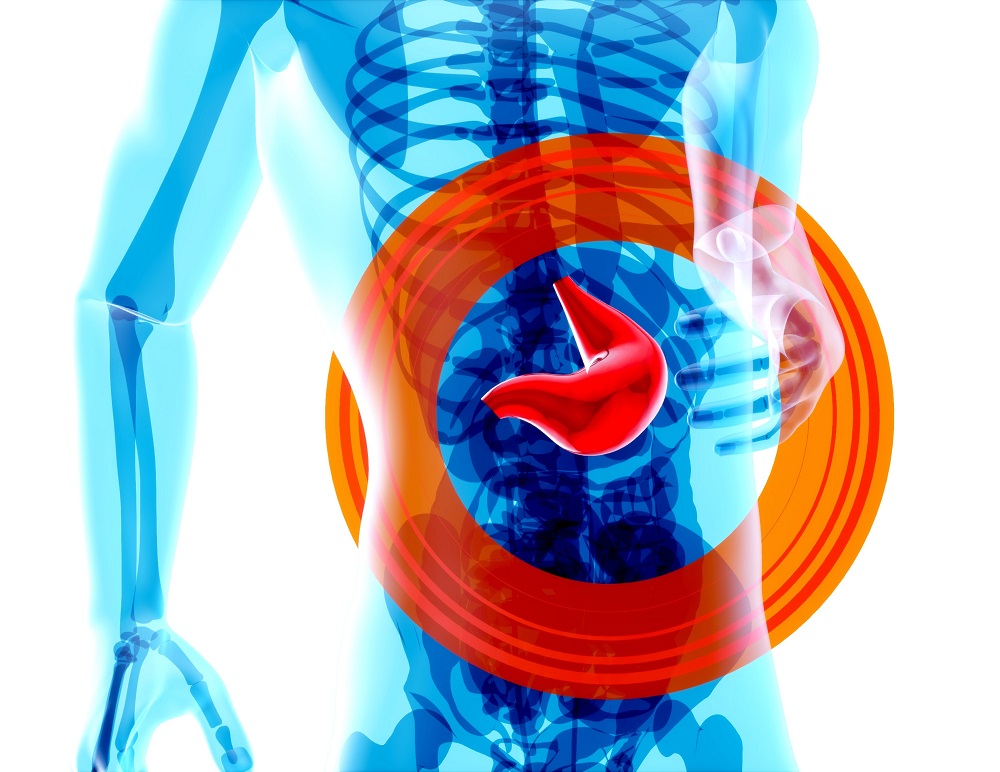
Vitamin B12 deficiency becomes more common with age because the stomach may produce less acid. That acid is necessary to release B12 from food during digestion. Certain medications, including metformin and proton pump inhibitors, can increase the risk even more.
Low B12 levels may lead to anemia, fatigue, nerve damage, numbness, tingling sensations, memory changes, or confusion. In some people, symptoms appear gradually and may be mistaken for normal aging.
High-dose oral B12 supplements often work well. Some individuals, however, require injections depending on how well their bodies absorb the vitamin.
Folate also deserves attention because it supports red blood cell production and DNA formation. Low folate levels can increase homocysteine, a blood marker linked to cardiovascular disease and cognitive decline. Research has not confirmed that folate supplements directly prevent those conditions, although certain groups may benefit from treatment.
Doctors usually evaluate vitamin B12 status before prescribing folate alone. Folate can improve blood test results while hidden nerve damage from B12 deficiency continues silently.
Vitamin D, Calcium, and Bone Health
Vitamin D deficiency is another common concern in older adults. Risk increases in people with limited sun exposure, reduced mobility, darker skin tones, osteoporosis, or diets low in vitamin D-rich foods. Adults living in care facilities may face even higher risk.
Supplementation can help when blood levels are low or fracture risk is high. Still, more vitamin D does not always mean better outcomes. A major clinical trial found that vitamin D supplements did not significantly lower fracture risk in generally healthy middle-aged and older adults who were not selected for deficiency.
Calcium and magnesium also support bones, muscles, and nerve function. Food sources remain the preferred option whenever possible. Dairy products, leafy greens, nuts, seeds, and legumes provide these nutrients naturally along with other dietary benefits.
Magnesium supplements are frequently promoted as sleep aids, yet evidence for routine insomnia treatment remains limited. Excessive intake of calcium or magnesium can also create side effects or interfere with medications.
Multivitamins Are Not a Safety Net
Multivitamins may help older adults who eat very little or have poor dietary variety. They can also support people recovering from illness or dealing with appetite loss.
Even so, daily multivitamin use has not shown a clear connection with lower death rates. A large study involving three U.S. population cohorts found no significant reduction in mortality among regular multivitamin users.
Researchers continue studying whether multivitamins influence markers of biological aging. At this stage, there is still no clear proof that they improve independence, lifespan, or overall health in healthy adults.
The idea of using multivitamins as universal “nutritional insurance” does not match current evidence.
The Nutrient Many Older Adults Miss Most
One of the most overlooked nutrients in aging is protein. Unlike vitamin supplements, protein directly affects muscle strength, mobility, and recovery.
Many older adults consume too little protein because they eat smaller portions or avoid foods such as eggs, fish, dairy, beans, lentils, and meat. Low protein intake can contribute to sarcopenia, the age-related loss of muscle mass and strength.
Sarcopenia increases the risk of falls, frailty, and reduced independence. Health experts commonly recommend around 1.0 to 1.2 grams of protein per kilogram of body weight each day for healthy older adults. Illness, recovery, or frailty may increase those needs unless a medical condition requires protein restriction.
Protein supplements can help in some cases, especially when appetite is poor. Still, food sources remain the preferred foundation whenever possible.
When Supplements Become Risky

Freepik | Consult a doctor before supplementing, as high doses and drug interactions pose serious health risks.
Supplements are often marketed as harmless wellness products, yet excessive use can create real health risks.
High doses of vitamin A or vitamin D may cause toxicity. Iron supplements should not be taken without confirmed deficiency unless recommended by a healthcare professional. Some supplements also interact with prescription medications, which may change how drugs work in the body.
Research reviews have also linked certain high-dose antioxidant supplements, particularly beta-carotene and vitamin E, with increased mortality risk in some populations.
The “more is better” approach does not apply to nutrition.
Smarter Approach to Healthy Aging
Healthy aging starts with everyday habits, not quick nutritional fixes. A thoughtful approach begins by looking at appetite, weight changes, chewing difficulties, medication use, and access to balanced meals.
Blood tests may help identify deficiencies involving vitamin B12, folate, iron, or vitamin D. Once a deficiency is confirmed, targeted supplementation may improve health outcomes and quality of life.
Current evidence does not support routine supplementation for every older adult. Still, vitamin D, vitamin B12, folate, multivitamins, or protein supplements may help when low intake or deficiencies are present.
Supplements can support healthy aging in specific situations, but they cannot replace the basics that keep the body strong over time. Balanced nutrition, strength training, quality sleep, social connection, and regular medical care remain the core pieces of long-term health.
The most effective supplement is not the one with the loudest marketing claim. It is the one that fills a real nutritional need backed by proper evaluation and evidence.