Choosing senior care can feel messy fast. The terms sound similar. The settings can blur together. The costs raise eyebrows. Skilled nursing and self-care serve very different needs, yet people mix them up all the time.
To begin with, self-care, AKA personal care or assisted living, supports everyday routines. Think help getting dressed, taking a shower, or making meals. The goal is simple. Help someone live safely and comfortably without taking over their life.
The setting feels more like home than a hospital. Residents usually have their own apartment or room. They come and go. And they eat when they want. They join activities if they feel like it. Staff step in when needed, then step back.
Care here stays non-medical. Staff can remind someone to take pills, but they do not manage complex medications. They can help with walking, but they do not provide rehab therapy. It is about support, not treatment.
This option works best for people who are stable. They may move slower. And they may need help with bathing or laundry. They may forget things now and then. But they do not need nurses watching them all day.
Skilled Nursing Handles Medical Needs Around the Clock
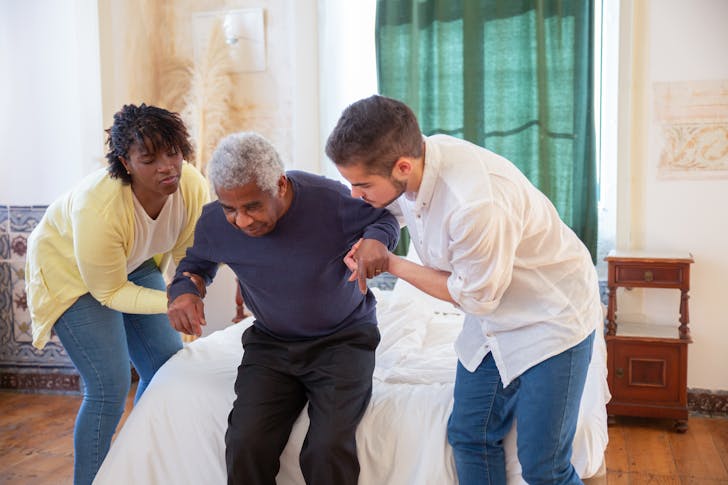
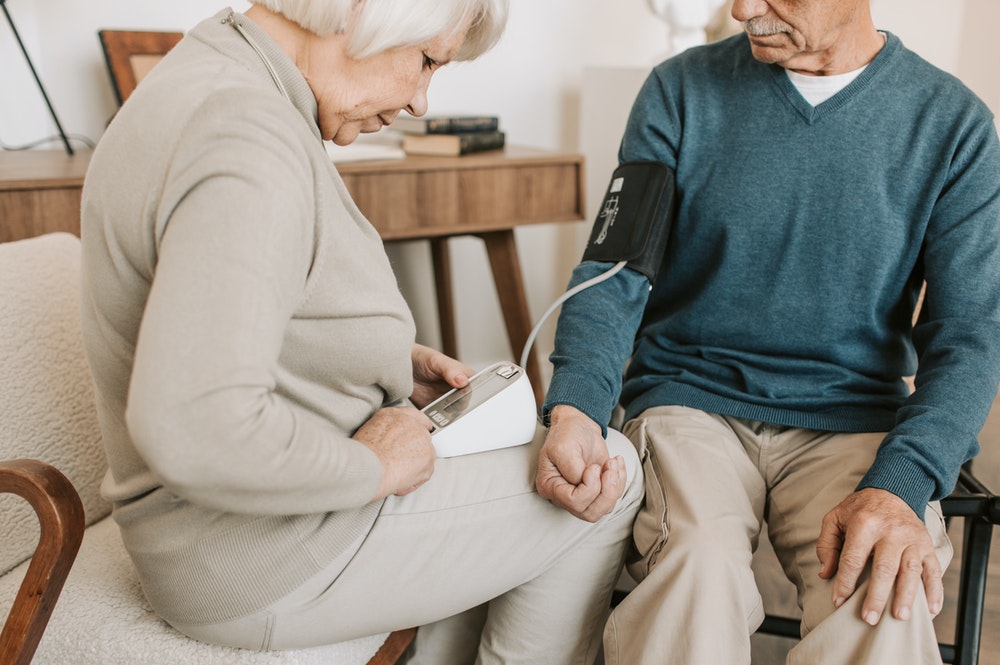
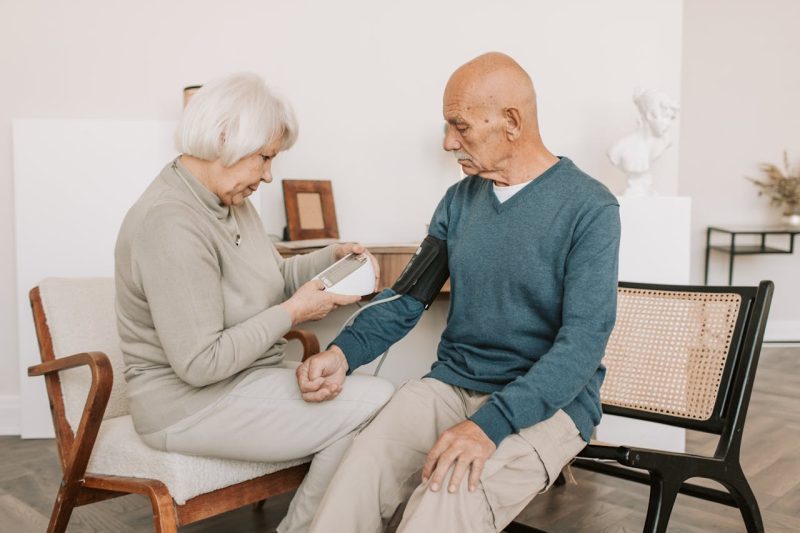
Kampus / Pexels / Skilled nursing is a different world. It steps in when medical needs drive daily life. Licensed nurses stay on site 24 hours a day.
Doctors oversee care plans. Therapy happens on a schedule.
This care often follows a major health event. A stroke. Surgery. A bad fall. An infection that took a toll. The focus is on recovery and safety. Everything centers on health progress.
Treatments can include wound care, injections, IV medications, and constant monitoring. Rehab therapy plays a big role. Physical therapy helps rebuild strength. Occupational therapy helps with daily tasks. Speech therapy helps with swallowing or communication.
The Care Teams are Not the Same
In self-care, aides handle most of the work. They assist with dressing, grooming, meals, and movement. While they receive training, but they are not licensed nurses. They follow care plans but do not create them.
Nurses may visit from outside agencies if needed. That care comes and goes. It does not run the day.
Skilled nursing relies on licensed professionals. Registered nurses and practical nurses manage care every shift. Therapists work directly with patients. Doctors review plans and adjust treatment.
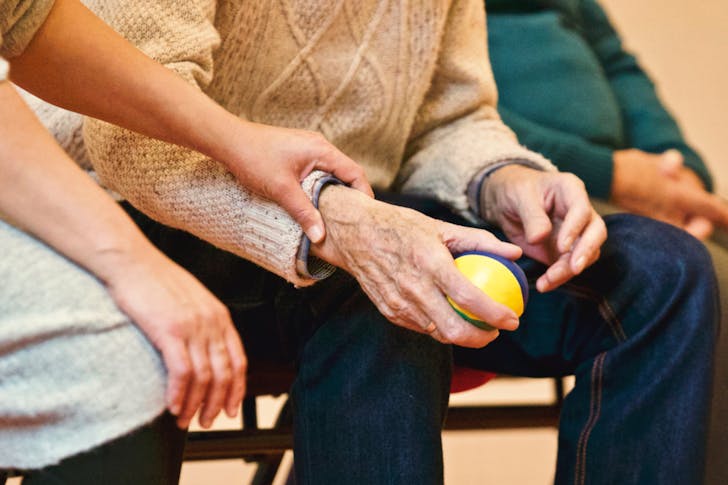
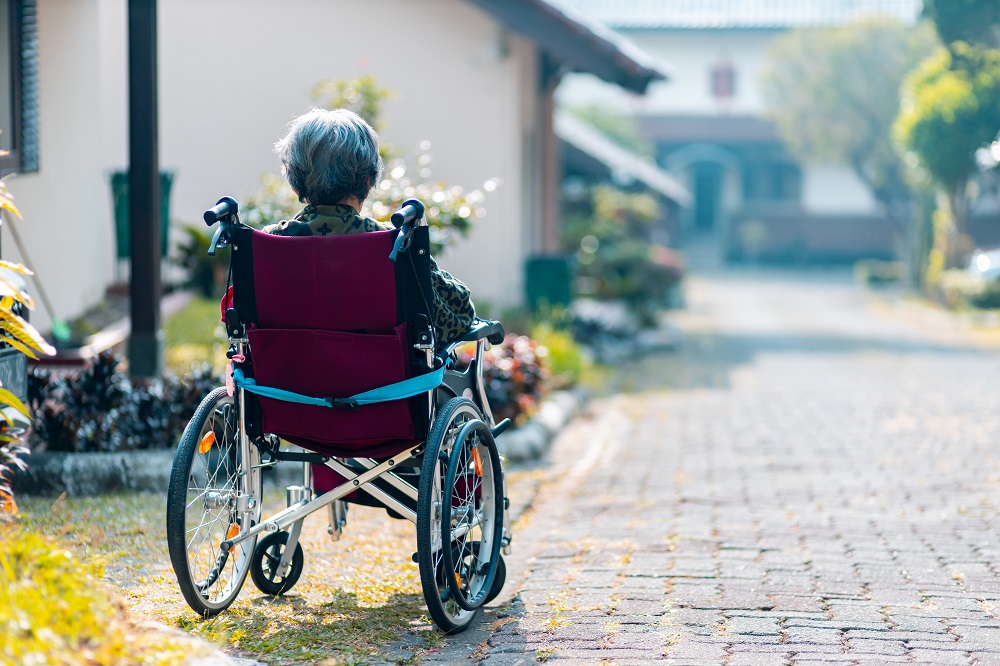
Matt / Pexels / Self-care supports independence. Residents make choices. They decide when to wake up, what to wear, and how to spend their time.
Help fills the gaps, not the whole day. Social life matters here. Activities, outings, and shared meals play a big role. The mood stays lighter. People still feel like themselves.
Skilled nursing runs on structure. Schedules guide the day. Medications, therapies, meals, and checks follow set times. The focus stays on healing and safety. That does not mean comfort disappears. Good facilities work hard to create warmth.
Costs and Coverage Can Surprise Families
Self-care usually requires private payment. Medicare does not cover long-term help with daily tasks. Some long-term care insurance plans help. Medicaid may assist in limited cases, depending on the state.
Costs vary by location and services. The more help needed, the higher the cost. Rent, meals, and care bundle together. Skilled nursing works differently. Medicare may cover short-term stays if strict rules are met. A hospital stay must come first.
After coverage ends, costs rise fast. Medicaid can help for those who qualify. Private insurance may cover some services. Remember, planning ahead makes a big difference here.