Stress has a way of sneaking into your body and refusing to leave. It tightens your shoulders, speeds up your breathing, and turns small aches into loud complaints. Pain follows close behind, especially when stress sticks around for weeks or months.
However, one of the most effective tools for calming stress and easing pain costs nothing, takes only minutes, and sits with you all day long. It is your breath, used with intention, backed by solid research, and far more powerful than it sounds.
Why Your Breath Has So Much Control?
Ali / Pexels / Your body runs on autopilot more than you realize. The autonomic nervous system manages breathing, heart rate, blood pressure, and muscle tension.
This system has two main modes, one that revs you up and one that settles you down. Stress and pain push your body into high alert. Breathing gets fast and shallow, muscles brace, and your heart works harder. Slow, deep breathing sends the opposite signal. It taps the vagus nerve, a major communication line that tells your body it is safe to relax.
When this nerve is activated, measurable changes happen. Heart rate drops, blood pressure eases, and stress hormones fall. Oxygen and carbon dioxide levels balance out, which helps muscles release and nerves quiet down.
The Science Behind Stress Relief
Researchers have spent years studying how breathwork and mindfulness affect the nervous system. The results keep pointing in the same direction. Slower breathing shifts the body out of fight mode and into recovery mode.
One key marker is heart rate variability, which shows how well your nervous system adapts to stress. Higher variability means better balance and resilience. Studies consistently show that deep breathing and mindfulness raise this marker, often within minutes.
A large review published in 2023 looked at clinical trials on breathing and stress. The most effective methods shared a few traits. They slowed the breath, lasted at least five minutes, and often used simple guidance. Short, focused sessions worked better than long, forced ones.
Why This Matters for Pain?
Chronic pain is not just about injured tissue. It is also about how the brain interprets signals from the body. Stress makes those signals louder and harder to ignore. Calm changes the volume.
Mindfulness breathing helps separate sensation from reaction. You still feel what is happening, but the fear, frustration, and tension around it soften. Brain imaging studies show reduced activity in pain-related areas after mindfulness practice.
Some results are striking. One study found that a single hour-long breathwork session led to lower pain levels six weeks later in people with muscle and joint pain. Other research showed that even a four-minute guided breathing audio eased pain during clinic visits. The goal is not always zero pain. It is better control and a better quality of life.
The Simplest Technique That Works
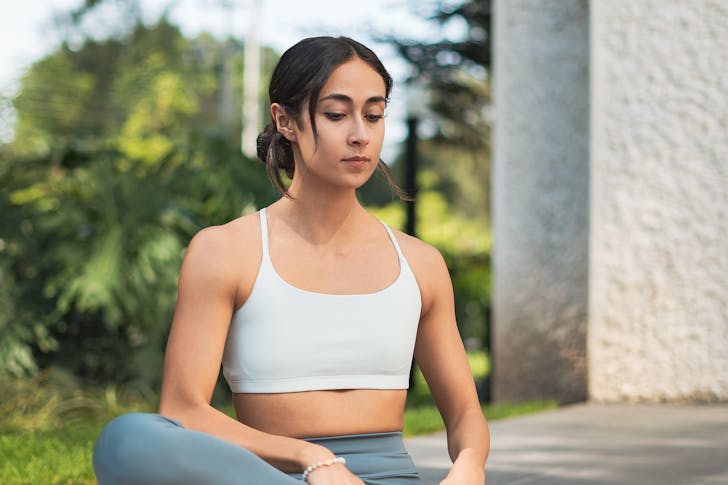
Cristian / Pexels / The most basic and effective place to start is diaphragmatic breathing. This style uses the large muscle under your lungs instead of the chest and shoulders.
It feels slower, deeper, and more grounding.
You can check your form with your hands. Place one hand on your chest and one on your belly. As you inhale, the lower hand should rise while the upper hand stays mostly still. This movement signals the calming side of your nervous system.
Even a few cycles can make a difference. This technique works well during stressful moments, pain flare-ups, or before sleep. It is also gentle enough for beginners and safe for most people.