

As the fall and winter respiratory virus season approaches, families are facing an unusual vaccine situation in the United States. The Centers for Disease Control and Prevention (CDC) has not released new recommendations for COVID-19 or RSV vaccines for the 2026–2027 season. Its flu guidance also remains based on last year’s recommendations.
Four major medical organizations have stepped in with updated guidance for different groups of patients. Their recommendations cover children, adults, pregnant people, and individuals with weakened immune systems. The guidance arrives as flu, COVID-19, and RSV vaccines become available across the country.
Four Medical Groups Offer Guidance
The new recommendations came from four major medical organizations on September 2:
1. American Academy of Pediatrics (AAP): Children
2. American Academy of Family Physicians: Adults
3. American College of Obstetricians and Gynecologists (ACOG): Pregnant people
4. Infectious Diseases Society of America (IDSA): People with weakened immune systems
The American Medical Association (AMA) and the Vaccine Integrity Project at the University of Minnesota also reviewed hundreds of recent studies covering flu, COVID-19, and RSV vaccines.
The review found that the vaccines continue to reduce the risk of severe illness, hospitalization, and death. It also found no new safety concerns.
Benjamin Lopman, PhD, a professor of epidemiology and global health at Emory University’s Rollins School of Public Health, noted that some experts involved in the new recommendations are “the same experts or the same kinds of experts that would have informed the CDC.”
2026–2027 Vaccine Guidance
All four organizations recommend seasonal flu vaccination for everyone age 6 months and older. COVID-19 and RSV recommendations depend more heavily on age, pregnancy status, and health risks.
Flu vaccine
The medical groups recommend a flu vaccine for everyone 6 months and older. Some children need two doses, with the shots given about one month apart.
Adults 65 and older should receive an enhanced flu vaccine when available. Options include high-dose, adjuvanted, recombinant, or mRNA vaccines. However, older adults should not delay vaccination while waiting for a specific type.
COVID-19 vaccine
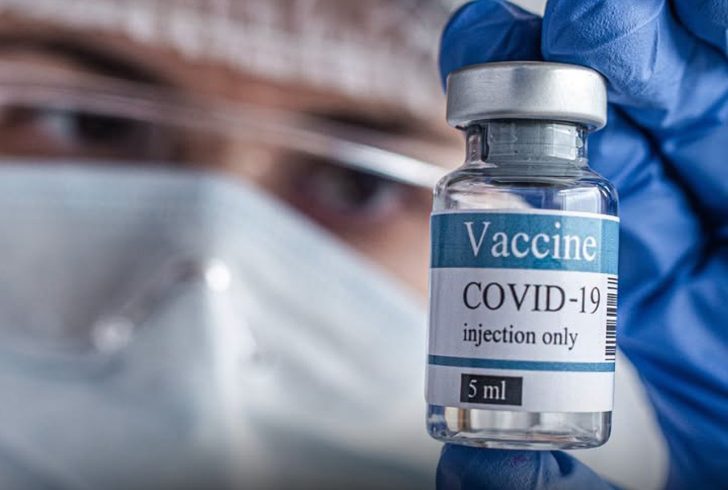
Instagram | science_explorist | COVID-19 vaccines are recommended for all adults, infants, pregnant individuals, and at-risk youth.
The recommendations include COVID-19 vaccination for all adults 19 and older. Adults 65 and older should receive two doses during the season, with the second dose given six months after the first.
The guidance also covers children between 6 and 23 months. Children and teens ages 2 through 18 may receive vaccination if they face a higher risk of severe illness or if their parents want additional protection.
Pregnant people, those planning a pregnancy, and people who are nursing are also included.
RSV protection
RSV vaccination is recommended as one dose for adults 75 and older. Adults ages 50 to 74 may also receive one dose if they have health conditions or other factors that increase their risk.
Pregnant people can receive one RSV vaccine dose to help protect their babies after birth.
Infants younger than 8 months, or babies entering their first RSV season without protection from maternal vaccination, may receive a preventive antibody injection. Certain children up to 19 months may also qualify based on their health conditions.
Flu Shot Guidance for Parents
The CDC flu vaccination page, updated September 1, still points to an interim document and says additional updates are “forthcoming.” The interim guidance carries over the previous season's recommendations and cites “legal uncertainties and inquiries.”
The flu vaccine itself has also seen a major development. In August, the Food and Drug Administration (FDA) approved an mRNA flu vaccine for adults 50 and older. It is the first mRNA flu vaccine of its kind.
A clinical trial involving 40,703 adults age 50 and older found that those who received the mRNA vaccine experienced about 26% fewer cases of laboratory-confirmed flu-like illness than people who received a standard-dose flu shot, according to the JAMA review.
Andi Shane, MD, chief of pediatric infectious diseases at Children’s Healthcare of Atlanta, recommends that children receive their seasonal flu vaccine around the beginning of flu season, usually in September or October.
A flu shot can lower a child's risk of serious illness, hospitalization, pneumonia, and dehydration.
Graham Tse, MD, chief medical officer of MemorialCare Miller Children’s & Women’s Hospital in Long Beach, California, said respiratory viruses generally begin circulating around this period.
“Getting a shot now or in the next month or two is optimal,” Tse said. He added that vaccination can still provide benefits later in the season and into spring.
COVID-19 Guidance Changes
The CDC has not issued new COVID-19 vaccine recommendations for the 2026–2027 season. Its most recent guidance from last year directs people to consult a healthcare professional instead of giving a broad vaccination recommendation.
The vaccines themselves followed a separate regulatory process. On August 27, the FDA approved updated COVID-19 vaccines designed to match variants currently circulating. The FDA's vaccine advisory committee met in May to select the strain for this season.
Previous COVID-19 infection does not remove the need to consider vaccination. Shane explained that the virus continues to change, meaning a child who had COVID-19 last year “may not be well protected against the strains spreading now.”
RSV Protection for Infants
RSV can cause serious illness in babies and children with certain medical conditions. The CDC has not released updated RSV guidance for this season, but ACOG recommends vaccination during pregnancy to help protect newborns after delivery.
Babies whose mothers did not receive the vaccine during pregnancy may instead receive a preventive antibody injection.
Tse described the treatment as “an injection of antibodies which help protect the recipient from RSV and serious illness.”
He also stressed that RSV is “not a simple cold.” Infants can face a higher risk of complications, especially when other health conditions are present.
Why CDC Guidance Is Missing

Pexels | Consult your healthcare provider during visits to confirm vaccine eligibility, timing, and recommended childhood schedules.
The Advisory Committee on Immunization Practices (ACIP) has played a central role in U.S. vaccine recommendations since 1964. The committee reviews scientific evidence and develops recommendations followed by healthcare professionals nationwide.
That process changed last year after the U.S. Department of Health and Human Services (HHS) dismissed ACIP members and appointed replacements. Although a court challenge succeeded in March, an expert-led ACIP has not been fully restored.
“The science is as strong as ever,” Lopman said. “What’s changed is that CDC and the ACIP have not been there to provide the evidence-based guidance.”
The lack of a single federal recommendation may also create confusion. Lopman said this can be especially difficult when misinformation about vaccines already circulates widely.
Tse said the change has made doctors' work harder. According to him, more parents are declining vaccines, while physicians are spending additional time explaining the evidence behind vaccination.
Questions to Discuss With a Doctor
Families can use their medical appointments to clarify which vaccines apply to them. Shane recommends asking direct questions about eligibility, timing, age, medical history, and exposure to people at higher risk.
For children, she advises families to continue following the AAP-endorsed vaccine schedule and discuss individual circumstances with a pediatrician.
The medical organizations are currently filling part of the guidance gap left by the absence of updated CDC recommendations. Lopman said, “I think we can fill that gap for a while,” but stressed that reestablishing ACIP remains important.
The latest recommendations give doctors and families a clearer framework for flu, COVID-19, and RSV vaccination despite the lack of new CDC guidance. Flu vaccination remains broadly recommended for everyone 6 months and older, while COVID-19 and RSV vaccination depends more on age, pregnancy, and individual health risks.
For families unsure about the right timing or vaccine type, a healthcare professional can review the latest recommendations and personal risk factors. The guidance may also change as federal agencies release additional information during the respiratory virus season.