

Baking for other people sounds simple. Mix ingredients. Turn on the oven. Share the result. Yet this small act creates a powerful mental shift. It changes how you feel, how you think, and how you connect with others.
Mental health professionals have studied creative hobbies, acts of giving, and social bonding for decades. Baking sits at the intersection of all three. That is why the benefits feel so deep and long-lasting.
When you bake for someone else, your focus moves outward. That shift alone can change your emotional state in ways that last long after the kitchen cools down.
Baking Creates Calm Through Focus and Creativity

Elly / Pexels / Baking pulls your attention into the moment. You measure flour, crack eggs, and wait for the dough to rise. These steps demand just enough focus to quiet mental noise.
Psychologists often compare this kind of activity to mindfulness because your brain has no space to spiral while your hands stay busy.
The sensory details matter more than people realize. The smell of butter melting. The sound of a mixer humming. The feel of dough under your palms. These signals tell your nervous system that you are safe and present. Stress levels drop. Breathing slows. Thoughts soften. It works because your brain loves rhythm and repetition.
Baking also supports behavioral activation, a method therapists use to help people move through low moods. You complete the steps, see progress, and finish something real. That sense of completion sends a quiet signal of competence to your brain, which helps lift emotional weight.
Baking Speaks When Words Fall Short
Food has meaning beyond nutrition. Across cultures, baked goods show up at births, funerals, holidays, and hard conversations. That is not random. Baking communicates care without forcing language.
When you bring someone a loaf of bread or a batch of muffins, you say many things at once. I see you. I thought of you. You matter enough for my time. This matters when emotions feel heavy or awkward. Baking fills the gap when words feel clumsy or insufficient.
Mental health experts often point out that symbolic gestures strengthen emotional bonds. Baking works because it is tangible. The recipient can see it, smell it, taste it. That physical experience makes the message stick. It feels personal because it is personal.
This kind of communication builds trust. It creates emotional safety. Over time, shared food memories become shared emotional memories. That deepens relationships without forcing vulnerability. You connect naturally, one bite at a time.
Giving Triggers Powerful Psychological Rewards
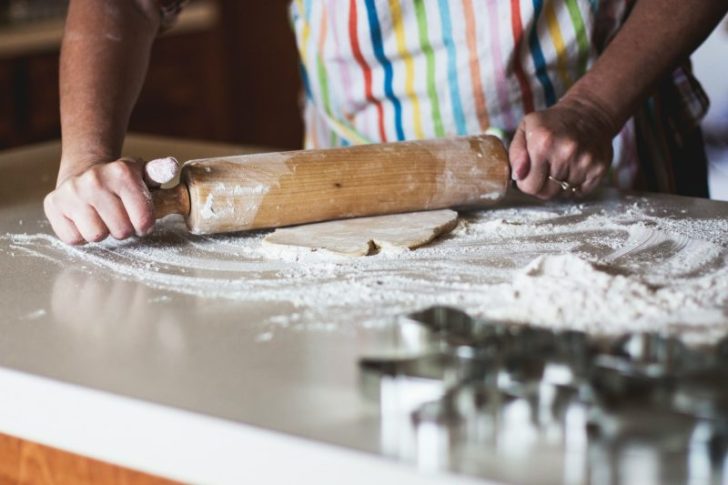
Kari / Unsplash / At its core, baking for others is an act of giving. You invest time, effort, and care with no guarantee of return.
Research shows that this kind of altruism boosts well-being more reliably than self-focused rewards.
When you give freely, your brain releases oxytocin. This hormone supports bonding and reduces stress responses. At the same time, cortisol levels can drop. That shift helps your body move out of fight or flight mode and into a calmer state.
There is also a strong link between giving and purpose. Doing something for someone else reinforces the idea that your actions matter. That sense of meaning supports emotional resilience. It reminds you that you can contribute, even in small ways.
The effect works best when motivation stays genuine. Baking to impress or gain approval weakens the benefit. Baking to share, support, or comfort strengthens it. The joy comes from the act itself, not the reaction.