
Mindfulness is often treated like a wellness trend, but new research suggests it has real weight in youth substance use prevention. A large review published in January 2026 in the journal Pediatrics looked closely at how mindfulness-based interventions affect teens and young adults who use alcohol or drugs. The findings were measured, cautious, and surprisingly encouraging.
The review followed PRISMA guidelines and analyzed 23 randomized controlled trials. These studies included 2,297 participants between the ages of 12 and 21. Over two-thirds of the trials showed that mindfulness programs worked better than doing nothing or even some standard comparison treatments. The strongest and most consistent results showed up around alcohol use, which matters given how common early drinking still is.
What the Research Shows

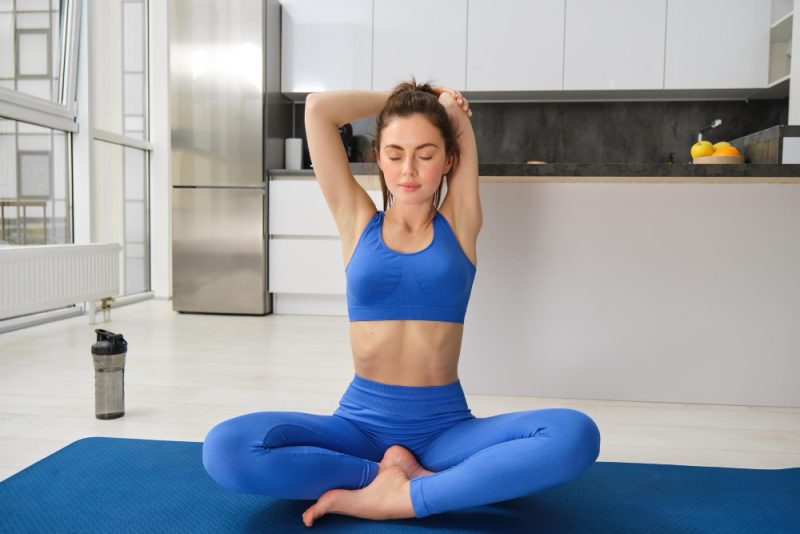
Amie / Pexels / Per the study, mindfulness-based interventions led to small to moderate reductions in substance use.
These changes were seen across different substances, but alcohol stood out as the area where results held up most often.
Dr. Christopher Hammond of Johns Hopkins University, the lead author, offered an important insight. Mindfulness does not make cravings disappear. Instead, it changes how young people respond to them. Teens learn to notice discomfort without reacting right away, which builds a pause between urge and action. That pause can be enough to stop a bad decision from turning into a habit.
This approach sets mindfulness apart from other therapies. Many treatments focus on controlling thoughts or avoiding triggers. Mindfulness teaches acceptance of uncomfortable feelings while still choosing not to act on them. That skill matters during adolescence, when emotions run hot and impulse control is still developing.
Brief Mindfulness Works Better Than You Think
One of the most interesting findings involved how much mindfulness was needed. Short and ultra-brief programs often worked better than longer ones. These sessions were commonly tested with college students or teens who were not actively seeking treatment.
This matters because most young people who use substances do not see themselves as needing help. Long programs can feel heavy or clinical, which turns people away. Brief mindfulness exercises feel manageable and low-pressure, which makes participation more likely.
The techniques themselves were simple. Mindful breathing showed up again and again. Urge surfing was another common method, where cravings are observed like waves that rise and fall. General mindfulness meditation was often combined with counseling or motivational interviewing. These tools are easy to teach and do not require expensive equipment or long sessions.
The Science Behind the Calm

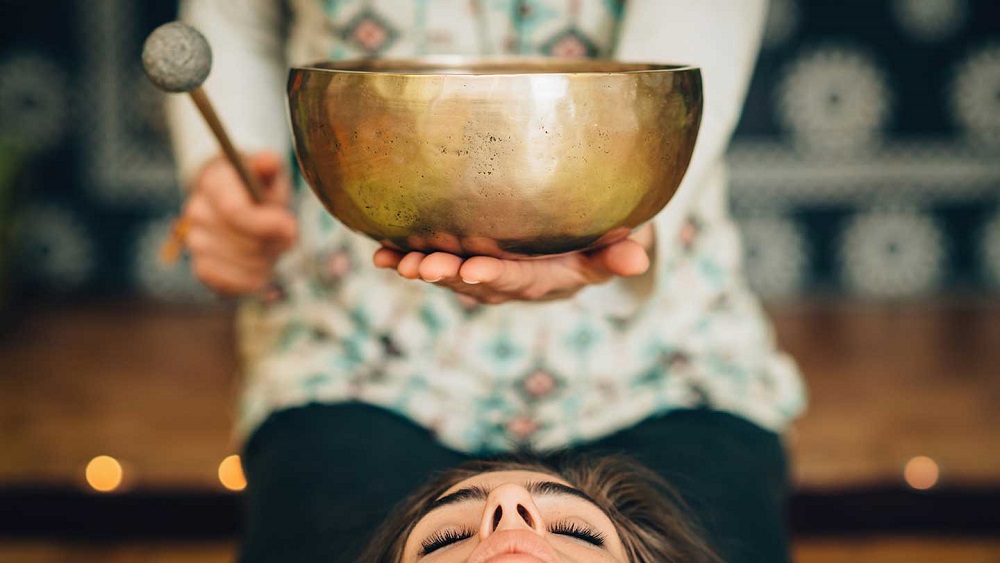
Mikael Blomkvist / Pexels / The study finds that mindfulness improves self-regulation, which is the ability to manage emotions and impulses under stress.
Teens who practice mindfulness often show less impulsivity and fewer negative emotional reactions. Stressful moments feel less overwhelming. Cravings still appear, but they do not feel like emergencies that demand action.
This lines up with earlier research from 2015 that focused on trauma-exposed adolescents. That model suggested mindfulness helps young people regulate emotions instead of using substances to numb distress. The new review supports that idea, especially for youth dealing with anxiety, stress, or emotional overload.
Scientists are also looking at what mindfulness does inside the brain. One ongoing project, known as The Mindfulteen Study, began in 2021 and focuses on early adolescents from the general population. It uses an eight-week mindfulness program and tracks changes over time.
Researchers are studying brain networks involved in emotion and stress, especially the cortico-limbic system. Neuroimaging is being used to see how these networks respond after mindfulness training. The study is also measuring cortisol levels, inflammation, and anxiety symptoms.