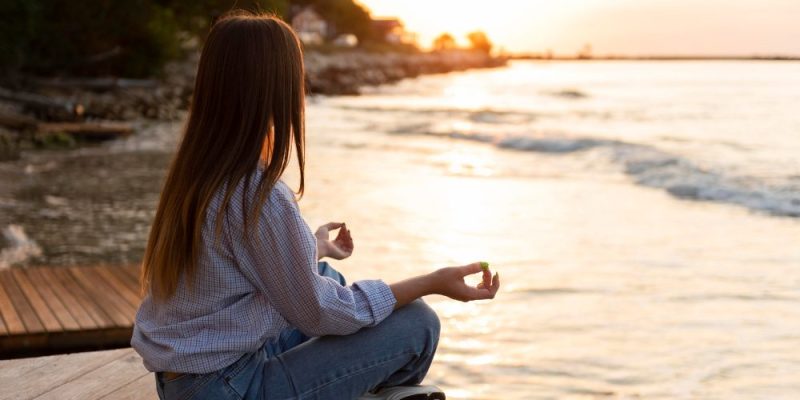

Spending time outdoors often lifts mood and sharpens focus. Still, not everyone can access forests, beaches, or scenic trails daily. Because of that, researchers now explore how digital nature experiences can offer similar benefits. Recent findings show that watching or creating nature videos can improve emotional health while building a stronger connection to the environment.
This growing interest highlights how simple screen-based experiences can support mental clarity when used intentionally.
Researchers from the University of Illinois Urbana-Champaign explored how nature videography shapes mindfulness. Their work shows that visual storytelling does more than capture scenery. It encourages people to stay present and notice details they might otherwise ignore.
Nature-based mindfulness combines awareness of surroundings with focused attention. While outdoor activities naturally support this, videos can recreate similar effects when viewers stay engaged.
A researcher explained that capturing nature through a lens can shift attention completely. In simpler terms, focusing on movement, light, and sound allows distractions to fade, while awareness strengthens. That mental shift supports calm thinking and emotional balance.
What the Research Study Revealed
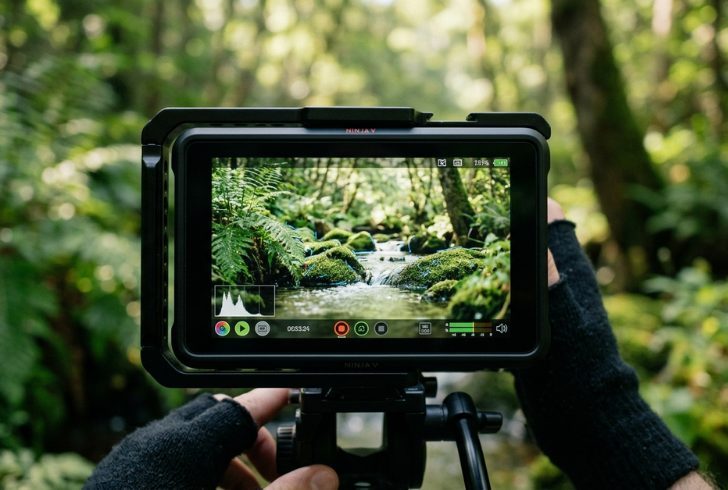
Gemini AI | Nature videos create mindful moments by helping people focus on details and stay present.
The study followed two clear phases. First, researchers examined personal experiences while recording natural environments like beaches, forests, and gardens. Then, they analyzed over 3,000 user reviews from virtual nature tours across the world.
These tours included:
1. Cherry blossom walks in Japan
2. Wildlife safaris in South Africa
3. Guided sunset hikes in Thailand
Participants described how these video experiences influenced mood and mental state. Many shared that they felt calmer, lighter, and more connected to nature after watching.
Interestingly, several viewers also reported better sleep and reduced stress. That pattern shows how digital exposure to nature can support daily well-being, even without physical travel.
Emotional Benefits That Go Beyond the Screen
Nature videos do more than entertain. They trigger emotional responses that mirror real-life outdoor experiences.
According to the findings, viewers commonly reported feeling a sense of calm and relaxation after watching, along with increased happiness and hope. Many also experienced a stronger emotional connection to nature, even from indoors, and noted a reduction in mental fatigue over time.
Because the brain processes visual and auditory cues together, it responds to natural scenes with noticeable ease. Flowing water, rustling leaves, and open landscapes help slow mental activity and reduce stress signals.
At the same time, consistent exposure to these visuals can train the mind to pause more often. That habit plays a key role in managing daily pressure.
Why Creating Nature Videos Works Better
While watching videos helps, creating them adds another layer of benefit. Recording nature forces attention toward small details. As a result, the mind stays focused on the present moment instead of drifting toward stress or distractions.
One researcher described the experience in a thoughtful way. Adjusting the camera frame while observing gentle movement allowed thoughts to quiet down. Only natural sounds, light, and breathing remained in focus. Each recording moment felt like a form of meditation rather than a task.
That active engagement strengthens awareness and builds emotional resilience over time.
The Growing Role of Digital Nature

Gemini AI | Digital nature becomes a simple tool people use daily to reduce stress and improve focus.
Technology often receives criticism for increasing screen time. However, this research highlights a different perspective. When used with intention, digital tools can support mental health instead of harming it.
Nature videos now play an important role in multiple areas, including virtual tourism experiences, stress management routines, workplace relaxation strategies, and personal mindfulness practices.
Because access remains easy, people can use these videos during short breaks, before sleep, or after long work hours. This flexibility makes them practical for modern lifestyles.
What This Means for Tourism and Wellness
The findings also carry value for the tourism industry. Digital experiences can introduce people to destinations while promoting emotional well-being.
Experts suggest that thoughtfully designed video content can increase satisfaction and encourage future travel. At the same time, it supports sustainable tourism by reducing pressure on natural sites.
However, Policymakers and content creators can use this approach to promote environmental awareness. When people feel connected to nature, they show more interest in protecting it.
Nature videos provide a simple way to support mental well-being in daily life. They help create moments of pause, allowing the mind to slow down and reset even during a busy schedule. This gentle shift in attention can ease stress and improve emotional balance.
Over time, watching natural scenes can support better focus, a calmer mood, and a stronger sense of awareness. Even short sessions can make a noticeable difference, gradually encouraging a healthier and more mindful daily routine.