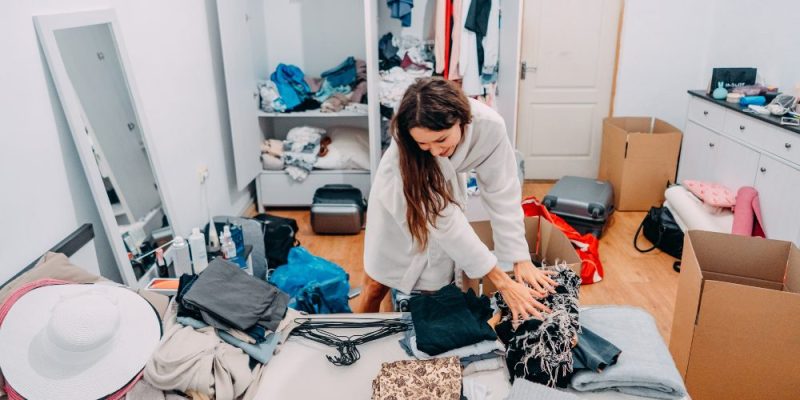
Busy households often collect more than they realize—papers on counters, items without a fixed place, and storage spaces that quietly overflow. Over time, this buildup can make everyday routines feel heavier than they should.
A more organized home is not about perfection; it’s about creating flow, where everything has a clear purpose and a natural place. With a few thoughtful approaches, daily life starts to feel more manageable and less scattered.
Why a Simplified Home Reduces Stress
Clutter affects more than physical space. It influences how attention shifts from one task to another, often creating mental strain without notice. Shared areas feel more relaxed when only meaningful and regularly used items stay visible.
Unused or misplaced belongings often lead to distraction, especially in high-traffic zones like living rooms and kitchens. As those items decrease, the environment begins to feel lighter and easier to manage.
Reducing excess items also supports clearer thinking. When surroundings stay organized, focus improves and daily routines feel less rushed. In many cases, even a small reduction in clutter leads to a noticeable sense of calm.
Starting Small for Lasting Progress
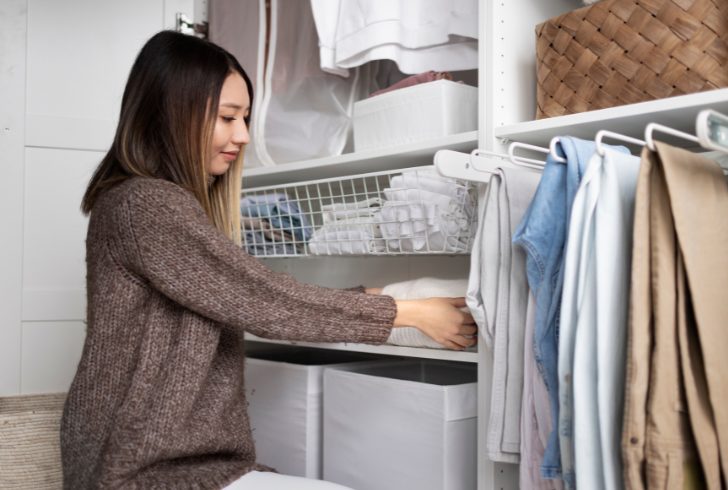
Freepik | Start small with a single drawer or corner to build momentum for larger organizing tasks.
Large organization tasks often feel overwhelming, which is why smaller sections work better as a starting point. A single drawer, shelf, or corner can set the tone for the rest of the space.
Small-area focus helps reduce decision overload. Instead of sorting an entire room, attention stays on one contained space, making choices quicker and more practical. Once that area is completed, momentum builds naturally.
Over time, these small improvements create visible changes across the home. The space starts feeling more open without requiring major effort at once.
Hidden Storage That Clears Visual Noise
Storage that stays out of sight plays a key role in maintaining open and functional rooms. It allows essential items to remain accessible without overwhelming shared spaces.
Areas such as under-bed storage, vertical shelves, and over-door organizers help make use of unused space. Furniture that serves more than one purpose also supports a cleaner layout.
When items have designated hidden spots, surfaces remain clearer. This reduces visual distraction and supports a more structured environment, especially in compact homes.
Common Clutter Hotspots in Family Spaces
Certain areas attract repeated clutter due to frequent use and convenience. Kitchen counters often collect mail, devices, and small items that lack a fixed home. Entry points and drawers tend to gather miscellaneous objects over time.
These spaces benefit from consistent organization habits. When each item has a specific place, it becomes easier to return things where they belong. This reduces buildup and helps maintain order without constant effort.
Managing these hotspots improves daily flow since these are the first and most used areas of the home.
Organizing by Usage Frequency
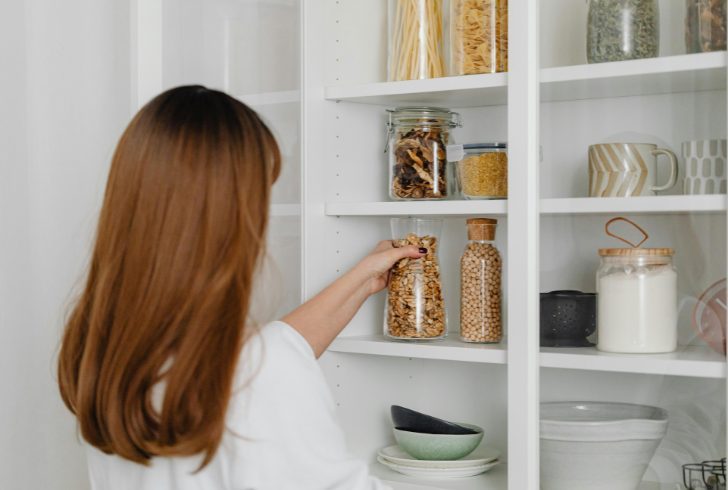
Pexels | Keep daily essentials at eye level and seasonal items out of sight to streamline your day.
A well-structured home often reflects how often items are used. Everyday essentials work best in easy-to-reach locations, while occasional or seasonal items fit better in higher or less accessible storage.
Placing frequently used items at eye level supports smoother routines, especially during busy parts of the day. Less-used belongings stored higher or farther away reduce unnecessary crowding in active zones.
Grouping items by routine also adds clarity. Morning essentials, cooking tools, and bedtime items become easier to locate, which reduces small delays throughout the day.
Maintaining Steady Progress Over Time
Decluttering works best as an ongoing process rather than a single effort. Gradual improvements help maintain consistency without creating pressure.
As spaces slowly improve, habits begin to shift. Items are less likely to accumulate when each has a defined place. This steady rhythm supports a more stable home environment.
Attention to how the space feels matters more than aiming for a perfect setup. Small, consistent actions keep the home functional and easier to maintain in the long run.
A more organized family space develops through simple, practical choices that reduce excess and support daily flow. When clutter is managed in small steps, stored wisely, and aligned with real usage patterns, the home becomes easier to move through and maintain.
Over time, these steady adjustments create a living environment that feels clearer, more open, and better suited to everyday life.